 Συρμάτινο πλέγμα Shangyong
Ανοξείδωτο ατσάλι 304 vs 316 Tray: Which Material Is Better for Your Application?
Introduction
Choosing the right stainless steel material is an important decision when purchasing stainless steel trays. Different working environments require different levels of corrosion resistance, strength, αντοχή, and hygiene performance.
For food processing, industrial manufacturing, laboratories, and commercial kitchens, the most common choices are stainless steel 304 and stainless steel 316 trays.
So, what is the difference between SS304 and SS316 stainless steel trays? Which material is better for your application?
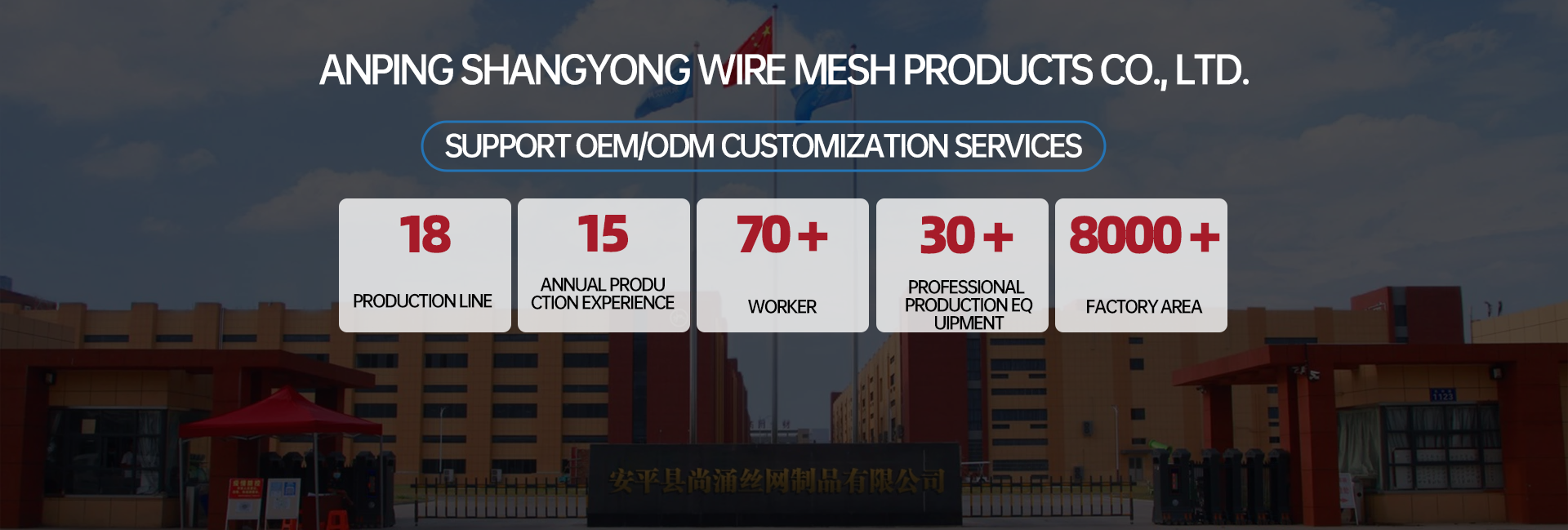
Anping Shangyou Wire Mesh Products Co., Ltd. is a professional stainless steel tray manufacturer in China, providing customized stainless steel perforated trays with SS201, SS304, SS316, and aluminum alloy materials. We support OEM and ODM production according to customer requirements.
What Is Stainless Steel 304?
Stainless steel 304 is one of the most widely used stainless steel grades worldwide.
It contains chromium and nickel, which provide excellent corrosion resistance and durability.
SS304 stainless steel trays are commonly used in:
- Food processing factories
- Bakeries
- Restaurants
- Commercial kitchens
- Drying applications
- Storage systems
Advantages of Stainless Steel 304 Tray:
1. Excellent Corrosion Resistance
SS304 performs well in normal environments and can resist:
- Water exposure
- Food acids
- Humidity
- Daily chemical cleaning
2. Food Grade Safety
Because SS304 is easy to clean and maintain, it is widely used in food-related applications.
Common uses include:
- Food drying trays
- Bakery trays
- Vegetable draining trays
- Kitchen storage trays
3. Cost-Effective Solution
Compared with SS316, stainless steel 304 provides a more economical option while still offering reliable performance.
For most general applications, SS304 is the preferred choice.
What Is Stainless Steel 316?
Stainless steel 316 is considered a higher-performance stainless steel material.
The main difference is that SS316 contains molybdenum, which improves resistance against corrosion, especially in harsh environments.
SS316 stainless steel trays are suitable for:
- Pharmaceutical industries
- Chemical processing
- Marine environments
- High humidity areas
- Sterilization applications
Advantages of Stainless Steel 316 Tray
1. Superior Corrosion Resistance
The addition of molybdenum gives SS316 better protection against:
- Salt water
- Chlorides
- Strong chemicals
- Industrial corrosion environments
2. Longer Service Life
In demanding environments, SS316 trays can maintain better performance and reduce replacement frequency.
This makes them suitable for industries where reliability is critical.
3. Suitable for High Requirement Applications
SS316 stainless steel trays are often selected for:
- Medical equipment
- Pharmaceutical production
- Laboratory environments
- Chemical industries
Ανοξείδωτο ατσάλι 304 vs 316 Tray Comparison
| Feature | Ανοξείδωτο ατσάλι 304 | Ανοξείδωτο ατσάλι 316 |
|---|---|---|
| Corrosion Resistance | Excellent | Superior |
| Chemical Resistance | Good | Better |
| Salt Water Resistance | Moderate | Excellent |
| Food Applications | Widely Used | Suitable |
| Industrial Applications | General Industry | High Corrosion Environment |
| Cost | Lower | Higher |
| Service Life | Long | Longer |
Which Stainless Steel Tray Material Should You Choose?
The best material depends on your application environment.
Choose Stainless Steel 304 Tray If:
SS304 is recommended when you need:
✔ Food processing applications
✔ Commercial kitchens
✔ Bakery production
✔ General drying and drainage
✔ Cost-effective solutions
Examples:
- Bread cooling trays
- Vegetable drying trays
- Food storage trays
- Restaurant kitchen trays
Choose Stainless Steel 316 Tray If:
SS316 is better when your application involves:
✔ Strong corrosion conditions
✔ Salt environments
✔ Chemicals
✔ Pharmaceutical production
✔ High-temperature sterilization
Examples:
- Chemical processing trays
- Laboratory trays
- Marine equipment trays
- Pharmaceutical drying trays
Custom Stainless Steel Tray Manufacturing Solutions
At Anping Shangyou Wire Mesh Products Co., Ltd., we provide customized stainless steel tray solutions for global customers.
Our customization options include:
Material Options
- Ανοξείδωτο ατσάλι 201
- Ανοξείδωτο ατσάλι 304
- Ανοξείδωτο ατσάλι 316
- Aluminum Alloy
Size Customization
Standard product:
400 × 600 mm stainless steel perforated tray
Customized sizes are available according to:
- Customer drawings
- Equipment dimensions
- Application requirements
Thickness Options
Available thickness:
- 0.8 mm
- 1.0 mm
- 1.2 mm
- 1.5 mm
- 2.0 mm
Different thicknesses provide different load capacities.
Hole Design Customization
Perforated stainless steel trays can be customized with:
- 3mm holes
- 5mm holes
- 8mm holes
- 10mm holes
Hole spacing and patterns can also be adjusted.
Why Choose Anping Shangyou Stainless Steel Trays?
Professional Factory Manufacturer
Located in Anping County, Πόλη Χενγκσούι, Επαρχία Χεμπέι, Κίνα, we specialize in manufacturing customized metal products.
We provide:
- Factory direct supply
- Competitive pricing
- Stable production
- OEM and ODM service
Αυστηρός Ποιοτικός Έλεγχος
Each stainless steel tray is inspected during production.
Quality checks include:
- Material inspection
- Size measurement
- Hole accuracy checking
- Edge finishing
- Surface inspection
FAQ About Stainless Steel Tray Materials
Is stainless steel 304 good for food trays?
Yes. SS304 is widely used for food trays because it offers excellent corrosion resistance, hygiene performance, and easy cleaning.
Is stainless steel 316 better than 304?
SS316 provides better corrosion resistance than SS304, especially in environments with salt, chemicals, or high humidity.
Which stainless steel is cheaper, 304 or 316?
SS304 is generally more affordable than SS316 because SS316 contains additional alloy elements for improved corrosion resistance.
Can stainless steel trays be customized?
Yes. We manufacture customized stainless steel trays with different materials, sizes, thicknesses, hole diameters, and designs.
Conclusion
Both stainless steel 304 and stainless steel 316 trays offer excellent performance, but the best choice depends on your working environment.
For most food processing, kitchen, and general industrial applications, SS304 stainless steel trays provide an ideal balance between performance and cost.
For demanding environments involving chemicals, salt, or high corrosion risks, SS316 stainless steel trays provide superior durability and longer service life.
As a professional custom stainless steel tray manufacturer, Anping Shangyou Wire Mesh Products Co., Ltd. provides reliable OEM and ODM solutions for customers worldwide.
Contact us for customized stainless steel perforated trays.