 Шаньён проволочный сетке
Нержавейке гыч ыштыме проволочный тор приложений умбакыже вияҥеш – коррозий ваштареш шогышо да раш фильтраций тӱҥ тенденций лийыт
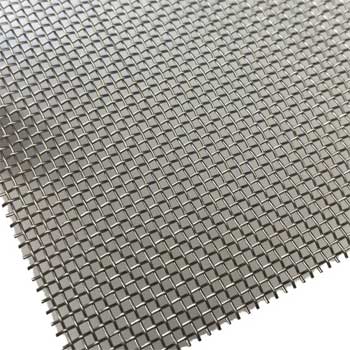 Кызытсе промышленность материалын паша лектышыжлан кугурак йодмашым шында, нержавейке гыч ыштыме сетке – фильтрацийыште кучылталтше тӱҥ материал, скрининг, аралыме, да архитектур сӧрастарыме – технологий уэмдымашын у толкынжым шижеш да йодмаш кушкын толеш. Нефтехимий гыч тӱҥалын, кочкыш да эм марте, аэрокосмос гыч тӱҥалын, пӧрт фасад марте, нержавейке гыч ыштыме тор шуко отрасльыште шке чапле коррозий чытымашыжлан кӧра моткоч кӱлешан тӱҥ ужашыш савырнен, кугу шупшмо пеҥгыдылык, да икгай тор структур.
Материал лектышым рашемда: 304 and 316 Тӱҥ ойырен налмаш кодеш
Шуко нержавейке сорт кокла гыч, 304 нержавейке гыч ыштыме тор and 316 нержавейке гыч ыштыме тор рынокышто озаланаш. Класс 304 кислоталан сай торешланымашым темла, щелочь-влак, да кугу температур, эн тыглай промышленный средалан келшыше ыштен. Класс 316, кушто молибден уло, хлорид коррозий деч сай чытымашым пуа, тидлан кӧра тудо теҥыз инженерийлан поснак келшен толеш, теҥыз вӱдым шолташ, да фармацевтике кучылтмаш.
Отрасльыште инсайдер-влак палемдат, кузе экологий правил-влак пеҥгыдырак лийыт да промышленный оборудований кужурак служитлыме цикл деке кусна, 316L нержавеющий торлан йодмаш ий гыч ийыш пеҥгыдын кугемеш.
Тӱрлӧ рашлык йодмашым шукташ тӱрлӧ ургымо образец-влак
Фильтраций рашлык да конструкций пеҥгыдылыклан йодмаш деч шога, нержавейке гыч ыштыме торым ургымо йӧн-влакат эреак кумдаҥыт:
-
Тыглай ургымо: Квадрат да пеҥгыде тор почмаш-влак, общий скрининглан келшен толеш.
-
Твилл Уив: Кугурак почылтмаш-влак, волгыдым утларак волгалтарыме да йошкар ӱмбал дене, кӱкшӧ йогын фильтрацийлан келшен толеш.
-
Голландийысе ургымо (Голландийысе саржевый): Кӱжгӧ варп провод да вичкыжрак, тыгыде оптымо ӱштымӧ провод-влак, микрон марте фильтрацийын рашлыкшым шукташ – рашлыкым жидкостный фильтрацийлан идеальная ойырен налмаш.
-
Сварной тор: Пеҥгыде сварной перекресток-влак, несущий приложенийлан келшен толеш, мутлан, фехтований да аралыме аралтыш.
Приложений кумдык-влак умбакыже кумдаҥыт
Тиде жапыште, нержавеющий сеткым кучылтмаш ынде йӱла промышленность дене гына огеш чакне. Архитектур сӧрастарыме секторышто, нержавейке гыч ыштыме тор фасад-влакым чоҥымо годым кумдан кучылталтеш, балкон перила, леведыш-влак, да интерьер дизайн элемент-влак, лӱдыкшыдымылык да эстетике ӱжмашым темлыше. Кочкыш да напитке промышленностьышто, муным ӱяҥдаш нержавейке гыч ыштыме тор кучылталтеш, сокым фильтраций, да йӱышым ямдылыме процесс-влак, пеҥгыде гигиене стандартлан келшен толшо. Пӱртӱсым аралыме секторышто, тудо сточный вӱдым эрыктен да южым эрыктен оборудованийлан фильтр экран семын служитла.
Качествым тергыме да келыштарыме шотышто услуги
Тӱрлӧ клиент-влакын тӱрлӧ йодмашыштым шукташ, ӱшанле производитель-влак шке качествыштым тергыме процессыштым пеҥгыдемдат. Нержавеющий тор гыч ыштыме кажне партийым тор шот дене тергаш кӱлеш, проводын диаметрже, тарванылме пеҥгыдылык, да коррозий ваштареш шогышо. Ешартышлан, келыштарыме услуги – тидын шотышто диск але тасма дене пӱчкедымаш, ӧрдыж пеҥгыдемдымаш (резинке але ПВХ леведыш), да рамым ыштыме фильтр панель-влак – клиент-влаклан шке ойыртемалтше приложенийыштлан оптимальный лектышыш шуаш полшат.
Ончыко ончалмаш
Промышленный автоматизаций да раш производство умбакыже вияҥеш, нержавейке гыч ыштыме тор микрофильтрацийыште эшеат кугурак рольым модеш, кӱкшӧ температур чытымаш, да ушан скрининг системе-влак. Отрасльыште эксперт-влак ончылгоч палемдат, кӱкшӧ рашлык дене ыштыме нержавейке гыч ыштыме тор, поснак 300 чейин 500 тор диапазон да ӱлнӧ, лишыл ийлаште тӱҥ кушмаш областьыш савырна.