 Shangyong Wire Mesh
මල නොබැඳෙන වානේ දැල් තැටි පුළුල් පරාසයක කර්මාන්ත හරහා අත්යවශ්ය මෙවලම් වේ, ආහාර සැකසීම සහ ඖෂධ සිට තාප පිරියම් කිරීම සහ ද්රව්ය හැසිරවීම දක්වා. කම්බි දැලක විවෘත සැලසුම සමඟ මල නොබැඳෙන වානේවල ශක්තිය සහ විඛාදන ප්රතිරෝධය ඒකාබද්ධ කිරීම, මෙම තැටි විශිෂ්ට වායු සංසරණය සපයයි, ජලාපවහනය, සහ ඉල්ලුම් කොන්දේසි යටතේ ව්යුහාත්මක අඛණ්ඩතාව පවත්වා ගනිමින් දෘශ්යතාව.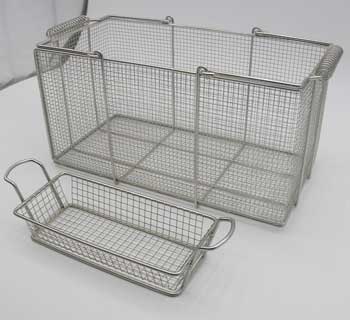
මල නොබැඳෙන වානේ දැල් තැටි යනු කුමක්ද??
මල නොබැඳෙන වානේ දැල් තැටි පැතලි වේ, මල නොබැඳෙන වානේ කම්බි දැලකින් සාදන ලද නොගැඹුරු බහාලුමක්, බොහෝ විට ඝන ලෝහ රාමුවක් හෝ දාරයක් සමඟ ශක්තිමත් කර ඇත. දැල් පතුල සහ පැති නිදහස් වාතය ගලා යාමට ඉඩ සලසයි, දියර ජලාපවහනය, සහ අන්තර්ගතයේ පහසු දෘශ්ය පරීක්ෂාව. යෙදුම මත පදනම්ව, තැටි සම්පූර්ණයෙන්ම දැලකින් සාදා හෝ ඝන හෝ දැල් බිත්ති සහිත දැලක් සහිත පතුලක් විය හැක.
Common Types of Stainless Steel Mesh Trays
| ටයිප් කරන්න | විස්තරය | සාමාන්ය යෙදුම් |
|---|---|---|
| Drying Trays | Flat mesh trays with reinforced edges for oven or kiln use | Pharmaceutical drying, food dehydration, powder drying |
| Heat Treatment Trays | Heavy-duty mesh trays designed to withstand high temperatures | නිර්වින්දනය, sintering, tempering of metal parts |
| Washing & Draining Trays | Open mesh design for easy cleaning and water drainage | Parts washing, vegetable rinsing, laboratory glassware drying |
| ගබඩා කිරීම & Transport Trays | Stackable mesh trays for organization and movement of items | Assembly line parts, warehouse storage, cleanroom use |
| Batch Oven Trays | Trays designed to fit standard industrial oven racks | Curing coatings, baking finishes, heat-setting plastics |
| Autoclave Trays | Perforated or mesh trays for steam sterilization | Medical instrument sterilization, laboratory processing |
Material Grades
මල නොබැඳෙන වානේ ශ්රේණියේ තේරීම මෙහෙයුම් පරිසරය මත රඳා පවතී:
-
304 මල නොකන වානේ: සාමාන්ය කාර්මික භාවිතය සඳහා සුදුසු වේ, ආහාර සම්බන්ධතා, සහ මෘදු විඛාදන පරිසරයන්. ආසන්න වශයෙන් 800 ° C දක්වා හොඳ තාප ප්රතිරෝධයක් ලබා දෙයි (1472°F).
-
316 මල නොකන වානේ: උසස් විඛාදන ප්රතිරෝධයක් සපයයි, විශේෂයෙන්ම ක්ලෝරයිඩ් සහ රසායනික ද්රව්ය වලට එරෙහිව. සාගර පරිසරයන් සඳහා වඩාත් සුදුසුය, ඖෂධ නිෂ්පාදනය, සහ වෛද්ය යෙදුම්.
-
310S මල නොබැඳෙන වානේ: 1100 ° C දක්වා ඔරොත්තු දිය හැකි ඉහළ උෂ්ණත්ව ශ්රේණිය (2012°F). අතිශයින්ම තාප පිරියම් කිරීමේ ක්රියාවලීන් සඳහා භාවිතා වේ.
ප්රධාන ලක්ෂණ සහ ප්රතිලාභ
1. විශිෂ්ට වායු සංසරණය
විවෘත දැල් සැලසුම උණුසුම් වාතයට ඉඩ සලසයි, වාෂ්ප, හෝ අන්තර්ගතය වටා නිදහසේ ගලා යාමට වායු, ඒකාකාර වියළීම සහතික කිරීම, උණුසුම් කිරීම, හෝ වන්ධ්යාකරණය. මෙය සැකසුම් කාලය අඩු කරන අතර නිෂ්පාදන අනුකූලතාව වැඩි දියුණු කරයි.
2. සුපිරි ජලාපවහන
දියර වර්ග, තෙල් වර්ග, සහ පිරිසිදු කිරීමේ විසඳුම් දැල් විවරයන් හරහා ක්ෂණිකව ගලා යයි, සංචිත වැළැක්වීම සහ වියළීම වේගවත් කිරීම. සේදීම සඳහා මෙය විශේෂයෙන් වැදගත් වේ, සේදීම, සහ ආලේපන යෙදුම්.
3. පහසු දෘශ්ය පරීක්ෂාව
ක්රියාකරුවන්ට තැටිය විවෘත නොකර හෝ අයිතම හැසිරවීමෙන් තොරව ඕනෑම කෝණයකින් අන්තර්ගතය දැකිය හැක, තත්ත්ව පාලනය වැඩිදියුණු කිරීම සහ දූෂණය වීමේ අවදානම අඩු කිරීම.
4. සනීපාරක්ෂක සහ පිරිසිදු කළ හැකි
සුමට මල නොබැඳෙන වානේ මතුපිට බැක්ටීරියා වර්ධනයට ප්රතිරෝධී වන අතර සනීපාරක්ෂාව කිරීමට පහසුය. දැල් තැටි අතින් සේදිය හැක, කාර්මික පිඟන් සෝදන යන්ත්රවල, හෝ අධි පීඩන ඉසින සමග. ඒවා රසායනික හා වාෂ්ප වන්ධ්යාකරණ ක්රම සමඟ අනුකූල වේ.
5. ඉහළ ශක්තිය සහ කල්පැවැත්ම
විවෘත නිර්මාණය තිබියදීත්, නිසි ලෙස ඉදිකරන ලද දැල් තැටි විශිෂ්ට බර දරණ ධාරිතාවක් ලබා දෙයි. ශක්තිමත් කරන ලද දාර සහ හරස් ආධාරක අධික බරක් හෝ අධික උෂ්ණත්වයක් යටතේ එල්ලා වැටීම හෝ විකෘති වීම වළක්වයි.
6. ගොඩගැසිය හැකි සහ ඉඩ ඉතිරි කිරීම
බොහෝ දැල් තැටි නිර්මාණය කර ඇත්තේ කැදලි හෝ ගොඩගැසීමේ විශේෂාංග සමඟිනි, උඳුන කාර්යක්ෂමව භාවිතා කිරීමට ඉඩ සලසයි, autoclave, හෝ ගබඩා ඉඩ. මෙය වැඩ ප්රවාහ සංවිධානය වැඩි දියුණු කරන අතර බිම් අවකාශය අවශ්යතා අඩු කරයි.
7. ඝන තැටි හා සසඳන විට සැහැල්ලු
දැල් තැටි ඝන මල නොබැඳෙන වානේ තැටිවලට වඩා සැලකිය යුතු ලෙස සැහැල්ලු ය, ඒවා එසවීම පහසු කිරීම, රැගෙන යන්න, සහ හැසිරවීම - කාර්යබහුල නිෂ්පාදන පරිසරයන් තුළ ප්රායෝගික වාසියක්.
කර්මාන්ත හරහා යෙදුම්
| කර්මාන්තය | යෙදුම |
|---|---|
| ආහාර සැකසීම | ඖෂධ පැළෑටි සහ කුළුබඩු වියළීම, බේක් කළ භාණ්ඩ සිසිල් කිරීම, එළවළු සේදීම, දුම් මස්, බැදපු ආහාර ඉවතට ගැනීම |
| ඖෂධීය | තෙත් කැට වියළීම, වන්ධ්යාකරණ උපකරණ, කුප්පි සහ ඇම්පියුලස් තබා ගැනීම, කුඩු ආලේපනය |
| තාප පිරියම් කිරීම | කුඩා කොටස් ඇනීල කිරීම, නඩුව දැඩි කිරීම, brazing, කුඩු ලෝහ සින්ටර් කිරීම |
| වෛද්ය & රසායනාගාරය | ඔටෝක්ලේවිං උපකරණ, වීදුරු භාණ්ඩ වියළීම, සාම්පල සංවිධානය කිරීම, පිරිසිදු කාමර ද්රව්ය හැසිරවීම |
| ඉලෙක්ට්රොනික උපකරණ | ආලේපනය හෝ පිළිස්සීමේදී PCB හැසිරවීම, සංරචක වියළීම, ස්ථිතික ආරක්ෂිත ද්රව්ය ප්රවාහනය |
| වාහන | Parts washing, තීන්ත වියළීම, තාප පිරියම් කිරීමේ එන්ජින් සංරචක, කුඩා රැස්වීම් සංවිධානය කිරීම |
| රසායනික | උත්ප්රේරක වියළීම, රසායනික කැට සැකසීම, ද්රව්ය නියැදීම |
| මුද්රණය කිරීම & ආලේපනය | මුද්රිත කොටස් වියළීම, සුව කිරීමේ ආලේපන, ඉසින පින්තාරු කිරීමේදී කුඩා සංරචක රඳවා තබා ගැනීම |
අභිරුචිකරණ විකල්ප
ඔබගේ නිශ්චිත අවශ්යතා සපුරාලීම සඳහා අපි සම්පූර්ණයෙන්ම අභිරුචිකරණය කළ හැකි මල නොබැඳෙන වානේ දැල් තැටි පිරිනමන්නෙමු:
-
මානයන්: දිග, පළල, සහ ඔබේ උපකරණයට හෝ නිෂ්පාදන ප්රමාණයට ගැළපෙන ගැඹුර
-
Mesh පිරිවිතර: සිට දැල් ගණන 2 දක්වා 400 දැලක්; කම්බි විෂ්කම්භය 0.15mm සිට 2.0mm දක්වා
-
රාමු නිර්මාණය: ඝන රිම්, ශක්තිමත් කරන ලද කොන්, හසුරුවයි, හෝ කකුල් ගොඩගැසීම
-
ද්රව්ය ශ්රේණිය: 304, 316, 316එල්, 310එස්, හෝ ඉල්ලීම මත වෙනත් ශ්රේණි
-
මතුපිට නිමාව: මෝල් නිමාව, විද්යුත් ඔප දැමූ, හෝ වැඩි දියුණු කළ විඛාදන ප්රතිරෝධය සඳහා passivated
-
බෙදුම්කරුවන් & මැදිරි: තනි තැටියක් තුළ අයිතම වෙන් කිරීමට අභ්යන්තර බෙදුම්කරුවන්
-
ලේබල් හිමියන්: නිෂ්පාදන හඳුනාගැනීම සඳහා ඇමිණිය හැකි ටැග් හෝ දරන්නන්
-
සිදුරු සහිත පතුල: වැටිය හැකි කුඩා අයිතම සඳහා කම්බි දැලක් සඳහා විකල්පයක්
ගුණත්ව සහතිකය
අප විසින් නිෂ්පාදනය කරන සෑම මල නොබැඳෙන වානේ දැල් තැටියක්ම තත්ත්වයේ තත්ත්වයට භාජනය වේ:
-
ශක්තිය සහ පිරිසිදුකම සඳහා වෑල්ඩින් පරීක්ෂා කර ඇත
-
පාරිභෝගික පිරිවිතරයන්ට අනුව මානයන් සත්යාපනය කර ඇත
-
දැල් ආතතිය සහ සමතලා බව තහවුරු කර ඇත
-
නිෂ්පාදන වලට හානි කළ හැකි හෝ හසුරුවන්නාට හානි කළ හැකි තියුණු දාර හෝ බර්සර් නොමැත
-
විඛාදන ප්රතිරෝධය සහ නිමාවේ ගුණාත්මකභාවය සඳහා මතුපිට පරීක්ෂා කර ඇත
නඩත්තු කිරීම සහ රැකවරණය
ඔබේ මල නොබැඳෙන වානේ දැල් තැටිවල සේවා කාලය උපරිම කිරීමට:
-
ද්රව්ය ගොඩනැගීම වැළැක්වීම සඳහා එක් එක් භාවිතයෙන් පසු පිරිසිදු කරන්න
-
අධික සාන්ද්ර අම්ල හෝ ක්ලෝරයිඩ් වලට දිගු කලක් නිරාවරණය වීමෙන් වළකින්න
-
හානියට පත් දැලක් හෝ ලිහිල් රාමු සඳහා නිතිපතා පරීක්ෂා කරන්න
-
වියළි ස්ථානයක ගබඩා කරන්න, භාවිතා නොකරන විට ප්රදේශය පිරිසිදු කරන්න
-
ඉහළ උෂ්ණත්ව යෙදුම් සඳහා, හැසිරවීමට පෙර තැටි සිසිල් කිරීමට ඉඩ දෙන්න