 ลวดตาข่ายแชงหยง
การใช้งานลวดตาข่ายสแตนเลสมีการพัฒนาอย่างต่อเนื่อง - ความต้านทานการกัดกร่อนและการกรองที่แม่นยำกลายเป็นแนวโน้มสำคัญ
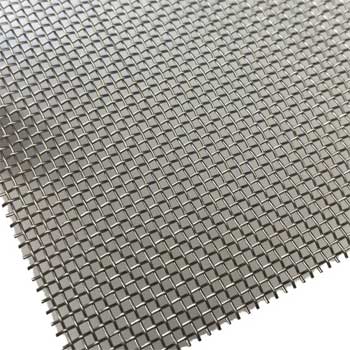 เนื่องจากอุตสาหกรรมสมัยใหม่มีความต้องการประสิทธิภาพของวัสดุที่สูงขึ้น, ตะแกรงลวดสแตนเลส – วัสดุพื้นฐานที่ใช้ในการกรอง, การคัดกรอง, การป้องกัน, และการตกแต่งสถาปัตยกรรม - กำลังประสบกับคลื่นลูกใหม่ของการอัพเกรดทางเทคโนโลยีและความต้องการที่เพิ่มขึ้น. จากปิโตรเคมีไปจนถึงอาหารและยา, จากการบินและอวกาศไปจนถึงส่วนหน้าของอาคาร, ตะแกรงลวดสแตนเลสได้กลายเป็นส่วนประกอบหลักที่ขาดไม่ได้ในอุตสาหกรรมต่างๆ มากมายเนื่องจากมีความทนทานต่อการกัดกร่อนได้ดีเยี่ยม, แรงดึงสูง, และโครงสร้างตาข่ายที่สม่ำเสมอ.
วัสดุเป็นตัวกำหนดประสิทธิภาพ: 304 และ 316 ยังคงเป็นตัวเลือกหลัก
ในบรรดาเกรดสแตนเลสมากมาย, 304 ตาข่ายสแตนเลส และ 316 ตาข่ายสแตนเลส ครองตลาด. ระดับ 304 offers good resistance to acids, alkalis, and high temperatures, making it suitable for most general industrial environments. ระดับ 316, which contains molybdenum, provides superior resistance to chloride corrosion, making it particularly ideal for marine engineering, seawater desalination, and pharmaceutical applications.
Industry insiders point out that as environmental regulations become stricter and industrial equipment moves toward longer service life cycles, the demand for 316L stainless steel mesh is steadily increasing year by year.
Diversified Weaving Patterns to Meet Different Precision Requirements
Depending on the requirements for filtration precision and structural strength, the weaving methods of stainless steel mesh are also continuously expanding:
-
สานธรรมดา: Square and stable mesh openings, suitable for general screening.
-
Twill Weave: Larger openings with higher light transmittance and a softer surface, ideal for high-flow filtration.
-
ดัตช์สาน (Dutch Twill): Thicker warp wires and thinner, densely packed weft wires, achieving filtration precision down to the micron level – an ideal choice for precision liquid filtration.
-
Welded Mesh: Strong welded intersections, suitable for load-bearing applications such as fencing and protective guarding.
Application Fields Continue to Expand
Currently, the application of stainless steel mesh is no longer limited to traditional industries. In the architectural decoration sector, stainless steel mesh is widely used for building facades, ราวระเบียง, staircases, and interior design elements, offering both safety and aesthetic appeal. In the food and beverage industry, stainless steel mesh is used for flour sifting, การกรองน้ำผลไม้, and brewing processes, เป็นไปตามมาตรฐานด้านสุขอนามัยที่เข้มงวด. ในภาคการคุ้มครองสิ่งแวดล้อม, ทำหน้าที่เป็นตะแกรงกรองอุปกรณ์บำบัดน้ำเสียและฟอกอากาศ.
บริการควบคุมคุณภาพและปรับแต่งตามต้องการ
เพื่อตอบสนองความต้องการที่หลากหลายของลูกค้าที่แตกต่างกัน, ผู้ผลิตที่มีชื่อเสียงกำลังเสริมสร้างกระบวนการควบคุมคุณภาพของตน. ควรตรวจสอบตาข่ายสแตนเลสแต่ละชุดเพื่อดูจำนวนตาข่าย, เส้นผ่านศูนย์กลางลวด, แรงดึง, และความต้านทานการกัดกร่อน. นอกจากนี้, บริการปรับแต่ง – รวมถึงการตัดเป็นแผ่นหรือแถบ, การเสริมแรงขอบ (เคลือบยางหรือพีวีซี), และแผงตัวกรองแบบมีกรอบ ช่วยให้ลูกค้าได้รับผลลัพธ์ที่ดีที่สุดสำหรับการใช้งานเฉพาะของพวกเขา.
มองไปข้างหน้า
ในขณะที่ระบบอัตโนมัติทางอุตสาหกรรมและการผลิตที่มีความแม่นยำยังคงก้าวหน้าต่อไป, ตาข่ายลวดสแตนเลสจะมีบทบาทมากยิ่งขึ้นในการกรองขนาดเล็ก, ทนต่ออุณหภูมิสูง, และระบบคัดกรองอัจฉริยะ. ผู้เชี่ยวชาญในอุตสาหกรรมคาดการณ์ว่าตาข่ายสแตนเลสที่มีความแม่นยำสูง, โดยเฉพาะอย่างยิ่งใน 300 ถึง 500 ช่วงตาข่ายขึ้นไป, จะกลายเป็นพื้นที่การเติบโตที่สำคัญในปีต่อๆ ไป.